Control the Situation, Control the outcome
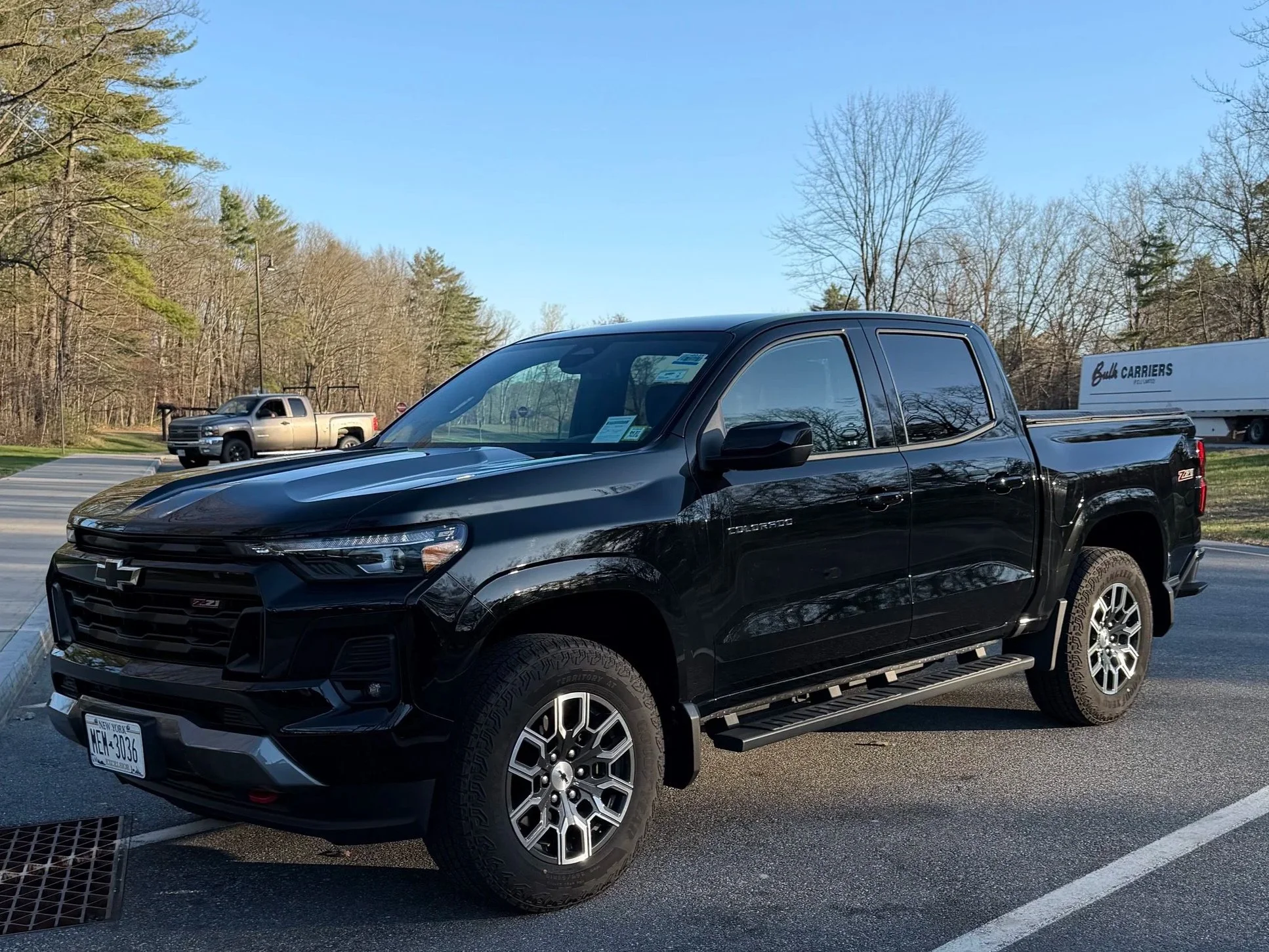
Somewhere off 1-87, enjoying the view of the new Taste of NY Rest Stop
I bought a truck last week, and while it sounds straightforward, a simple purchase, it quickly turned into a situation that forced me to check myself in a way I haven't in a while. The purchase itself was a practical decision. Our family needed a truck. Between outdoor projects, home renovations, and the constant cycle of hauling and cleanup that comes with spring and fall, it was time to make the switch. So I lined everything up and committed to picking it up on Sunday, not an ideal time, knowing I was going to sacrifice a three and a half hour drive, leave my son’s lacrosse game early and the forecast was calling for a perfect warm Sunday afternoon.
I made the drive anyway. When I arrived at the dealership, everything felt routine at first. I walked in, greeted a few people, found my sales rep, and we started talking. Before we even had a chance to sit down, he asked me where my wife was. I told him she was home and that there was no need for her to make that drive. He paused and told me that was going to be a problem and that we wouldn’t be able to complete the deal without her there.
That's when I could feel the pressure starting to build. I had asked that same question multiple times prior to making the trip and made it clear what the expectations were. I verified it more than once. I knew what had been communicated, and I knew what I had sacrificed to be there that day. What followed was a reaction I’m not proud of. I let my frustration take over and directed it at the rep, the situation, and anyone in the vicinity. While the frustration itself came from a real place, the way I handled it didn’t reflect the level of control I expect from myself.
I had to step away from it. I went back out to my vehicle, sat in silence for a minute, and forced myself to slow everything down. I took a few breaths, called my wife, and started working through the situation with a clear head. I pulled up past deal paperwork, looked at how we had structured previous purchase agreements, and walked through every detail. The financing, the buyer agreement, the roles involved. Nothing was different. The structure was the exact same as it had always been, I was the buyer, I was the one required to sign.
Once that became clear, the solution was simple. The problem wasn’t the deal. It was the dealerships interpretation of it.
I walked back into the dealership with a different approach. I found the rep, shook his hand, and apologized for how I handled myself. No excuses. I owned it. I acknowledged that I let my frustration get ahead of me and that it wasn’t the right way to handle the situation. You could tell he wasn’t used to hearing that. I understood that because I had been in his position before. I knew what it felt like to deal with frustrated customers, and I also knew how rare it was for someone to come back and take responsibility for their reaction.
From there, the conversation could now move forward. My tone was much more steady, my communication was clear, and I walked through the facts of the deal without emotion. I explained the structure again, presented the solution, and asked them to take a deeper look instead of stopping at the initial response. They reviewed the paperwork more closely, identified where the issue actually was, and adjusted the title and registration process to match what the deal required.
It turned out to be a simple fix. It just needed someone willing to listen (Shout out Chad in F&I) and look past the first answer. instead of saying no, this is how it is. Persistence in this case was key to making sure nothing was wasted.
A few hours later, I drove the truck home.
There are two parts from this entire scenario that matter. The first is ownership. Even when you’re right about the situation, it doesn’t give you a pass to lose control. How you handle pressure matters. The second is persistence. You don’t accept “no” when you know there’s more underneath it. You ask better questions. You repeat things back for clarity. You stay in the conversation long enough to find the path forward. There's a former version of myself that would have accepted that simple answer in the past, and made a frustrating 3 hour drive back home with my tail between my legs. However, that version no longer exists, in the name of hard work on personal development and identity building.
This is exactly what it means to operate with control. It’s not about overpowering a situation or creating conflict. It’s about staying steady, thinking clearly, and pushing for a solution when something doesn’t add up. When you do that, you can shift the outcome. Not by force, but by discipline and awareness.
That’s the lesson I took from it. Not the truck, not the deal, but the reminder that control isn’t about never reacting. It’s about recognizing when you’ve lost it, correcting it in real time through accountability, responsibility and stepping back into the situation with clarity.
That’s where the power lies.
From the Forge,
Zach